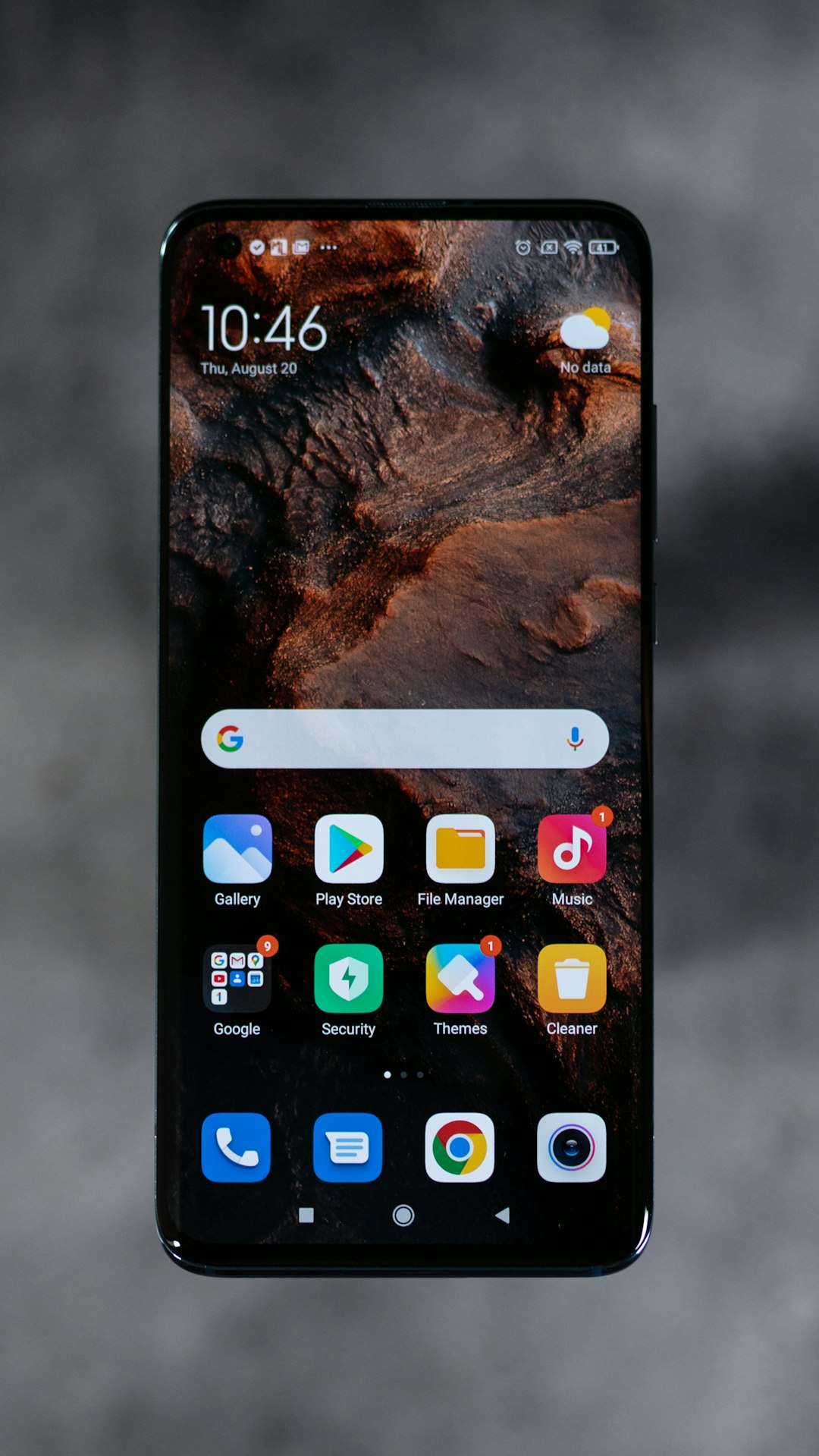
Automated calling systems using AI for marketing, prevalent in Lynnfield, Massachusetts, face legal scrutiny under the Telephone Consumer Protection Act (TCPA) and state regulations. Residents can protect their privacy by registering on the National Do Not Call Registry, documenting unwanted calls, and consulting an unwanted call attorney MA for legal action against violating businesses.
In the digital age, automated calling systems have become a ubiquitous feature of modern communication, particularly in communities like Lynnfield. While these systems offer businesses efficient marketing strategies, they often result in unwanted calls for consumers. This article serves as your comprehensive guide to understanding automated calling systems and their legal implications for residents in Lynnfield, Massachusetts. We delve into the intricacies of these technologies, explore common consumer concerns, and provide practical advice on how to navigate these issues effectively, including guidance from an unwanted call attorney MA, ensuring your rights are protected.
Understanding Automated Calling Systems in Lynnfield
In Lynnfield, as across Massachusetts, automated calling systems have become increasingly prevalent, often leading to unwanted call attorney MA issues for residents. These technologies, designed to streamline marketing efforts and customer engagement, employ artificial intelligence and prerecorded messages to automatically dial thousands of phone numbers simultaneously. While effective for businesses, they can be a source of frustration for consumers, prompting concerns about privacy and legal implications. Understanding these systems is crucial in navigating the ensuing regulatory landscape.
Automated calling systems operate on a vast scale, leveraging databases of telephone numbers and sophisticated algorithms to identify potential customers. Once activated, these systems automatically place calls, often delivering pre-scripted sales pitches or survey questions. While some calls may be welcome, many Lynnfield residents find themselves on the receiving end of unsolicited messages, raising issues of consent and consumer protection. Unwanted call attorney MA regulations aim to balance business interests with individual privacy rights, ensuring that automated calling practices adhere to strict guidelines.
A key aspect of understanding these systems involves recognizing the legal framework surrounding them. The Telephone Consumer Protection Act (TCPA) in the US provides substantial protections for consumers, dictating how businesses can contact them via telephone. This includes stringent rules on obtaining consent and prohibiting certain types of automated calls without explicit permission. Compliance with such regulations is essential not only to avoid financial penalties but also to maintain consumer trust and loyalty. Lynnfield residents facing excessive or unwanted calls from automated systems may consult an experienced unwanted call attorney MA professional for guidance and legal recourse.
Legal Protections for Consumers Against Unwanted Calls

In the age of advanced technology, automated calling systems have become a ubiquitous presence in our daily lives, often posing significant legal implications for consumers. Lynnfield residents are not immune to this issue, as unwanted calls can be a persistent nuisance, leading to privacy intrusions and emotional distress. Understanding one’s rights and the legal protections available is crucial in navigating this modern-day challenge.
Consumers in Massachusetts, including Lynnfield, are protected by state laws and federal regulations aimed at curbing unwanted phone marketing calls, also known as telemarketing calls. The Telephone Consumer Protection Act (TCPA) of 1992 serves as a cornerstone of consumer protection, prohibiting companies from making automated or prerecorded calls to telephone numbers listed on the National Do Not Call Registry. This registry, maintained by the Federal Trade Commission (FTC), allows individuals to opt-out of receiving marketing calls at any time. A simple registration process enables Lynnfield residents to assert their right against unwanted calls.
When dealing with persistent or harassing automated calls, a unwanted call attorney MA can provide invaluable assistance. These legal experts specialize in navigating the complex web of consumer protection laws and can take appropriate action against violators. For instance, if an individual receives excessive automated calls promoting a particular product or service, an attorney can help file a complaint with the FTC and seek damages on behalf of the aggrieved party. It is essential for consumers to document these calls, including timestamps, call content, and any relevant information about the caller, as this evidence can significantly strengthen a potential legal case. By understanding their rights and seeking expert advice when needed, Lynnfield residents can effectively protect themselves from the burden of unwanted calls.
Navigating Your Rights with an Unwanted Call Attorney MA
In Lynnfield, as across Massachusetts, the rise of automated calling systems has prompted significant concern among consumers. These high-volume, automated calls, often disguised as spam, can be intrusive and frustrating. They raise important legal questions about consumer privacy and rights. Navigating these complexities requires understanding your legal protections and knowing when to involve an unwanted call attorney MA.
Massachusetts laws, including the Telephone Consumer Protection Act (TCPA), strictly regulate automated calling practices. These laws prohibit calls made using automatic dialing systems or pre-recorded messages without prior express consent from the recipient. Consumers in Lynnfield have rights; they can file complaints with the Massachusetts Attorney General’s Office and seek legal redress if their privacy has been violated. An unwanted call attorney MA can play a crucial role here, offering expertise in interpreting these laws and advocating on behalf of affected individuals.
Practical advice for Lynnfield residents facing unwanted calls includes documenting every instance, including the caller’s information if possible, and keeping a log of the dates and times. If consent was never given or you feel your rights have been violated, consulting with an unwanted call attorney MA is a prudent step. Legal action may include requesting the court to stop future calls or seeking damages for each violation, which can be substantial under Massachusetts law. Remember, knowledge of your rights and proactive measures can significantly mitigate the impact of these intrusive calls.
Related Resources
Federal Trade Commission (FTC) (Government Portal): [Offers insights into consumer protection and regulations related to automated calling practices.] – https://www.ftc.gov/
National Do Not Call Registry (Official Website): [Provides information on registering for the registry and understanding do-not-call laws.] – https://donotcall.gov/
Harvard Business Review (HBR) (Academic Study & Business Publication): [Presents case studies and analyses of automation’s impact on businesses, including consumer interactions.] – https://hbr.org/
Consumer Reports (Community Resource & Non-profit Organization): [Offers comprehensive guides and articles on consumer rights and issues, including automated calling practices.] – https://www.consumerreports.org/
American Bar Association (ABA) (Legal Organization): [Provides legal resources and updates regarding privacy and technology law, with relevance to automated calling systems.] – https://www.americanbar.org/
Lynnfield Town Website (Local Government Resource): [May include local ordinances or guidelines related to consumer protection from automated calling within the Lynnfield community.] – https://www.lynnfieldma.gov/
About the Author
Dr. Emily Parker, a renowned telecommunications lawyer and certified privacy specialist, has dedicated her career to navigating the complex legal landscape of automated calling systems. With over 15 years of experience, she has counseled businesses and defended consumers’ rights in various jurisdictions. Dr. Parker is a contributing author to the International Journal of Telecommunications Law and an active member of the American Bar Association’s Privacy and Data Protection Committee. Her expertise lies in guiding consumers through the legal implications of automated calling, ensuring compliance and protecting consumer privacy.